Raised beds give you a spot where you control the dirt. Most backyard soil is heavy clay, sandy, or full of rocks and old roots. Filling a bed with a good mix means your vegetables start out in loose, rich ground that drains well. Plant roots can spread easily, and you won't spend your first season digging out stones.
Drainage is the big win. Water runs through the soil instead of pooling around roots, which helps prevent soggy, rotting plants after a heavy rain. The soil in a bed also tends to warm up faster in spring, so you can often get seeds and seedlings into the ground a little earlier than your neighbors with in-ground rows.
Your back will thank you too. Working a bed that's 10 to 12 inches off the ground means less bending for planting, weeding, and picking. Here are a few things that make the work easier:
- You can reach the middle of the bed without stepping on the soil, which keeps it loose.
- Weeds are easier to spot and pull when the bed is small and contained.
- Watering is focused on one defined area, so you don't waste water on paths.
Choosing the right bed matters. A galvanized metal bed, like the SnugNiture Galvanized Raised Garden Bed, holds its shape well and won't rot the way wood can over time. If you prefer a softer look that blends into the yard, a wood-look bed or a fabric bed can work just as well for vegetables. Whatever you pick, fill it with a quality mix. The Espoma Organic Vegetable & Flower Garden Soil is a good match for vegetable beds, since it's made for growing edibles and saves you from mixing your own blend from scratch.
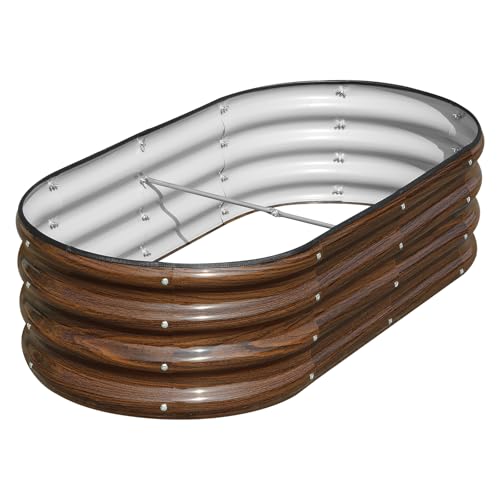
SnugNiture Galvanized Raised Garden Bed
This oval planter box offers a sturdy space for growing a variety of plants.
Product information
Product Review Score
4.85 out of 5 stars
(229 reviews)Product links
Before you buy any soil or fill any bed, check the product's own safety and usage information, especially if you plan to grow food near kids or pets. If you have questions about whether a particular plant or amendment is right for a household member, ask your vet or doctor.
Best Vegetables for Shallow and Deep Raised Beds
Shallow beds, usually about 6 to 8 inches deep, are a great fit for leafy and quick crops. Lettuce, spinach, arugula, kale, and radishes all do well because their roots stay near the top. Radishes can be ready in about a month, which makes a shallow bed feel rewarding fast. Loose-leaf lettuce is another easy pick. Pull the outer leaves as you need them, and the plant keeps producing.
Deeper beds, 10 to 12 inches or more, open up the list. Carrots need loose soil at least that deep to grow straight, and potatoes do better when you can keep mounding soil around the stems. Bush beans, bush cucumbers, and compact zucchini varieties also like the extra room. Tomatoes and peppers can go in deep beds too, but they need a sunny spot and steady watering. If you plan on a tomato, look for a determinate or bush type, since those stay more compact than vining varieties.
Not sure which bed you need? Start with what you want to eat most often. Salad greens and herbs fit almost anywhere, so a shallow bed is a low-stakes first step. If you want root crops or a few tomato plants, go deeper. A good rule is to check how much soil the plant label or seed packet recommends and match your bed to that number.
If you are shopping for a bed, a few buying factors matter most:
- Depth: Measure the height of the sides, not just the footprint. A 12-inch bed gives roots far more room than a 6-inch one.
- Material: Wood is classic and easy to work with, galvanized steel holds up well over many seasons, and fabric beds are light and easy to move.
- Drainage: Make sure the bottom is open to the ground or has drainage holes so extra water can escape.
- Size: Keep the width to about 4 feet or less so you can reach the middle without stepping on the soil.
For a deep bed that is easy to get going, the Gardeal Garden Raised Bed Kit is a solid option that keeps assembly simple. If you want a shallow bed for greens and herbs, the Best Choice Products Raised Herb Garden Bed is a neat, compact pick. Fill any bed with Espoma Organic Vegetable & Flower Garden Soil for a good starting mix. Before you plant anything you plan to eat, check the product's own safety information and confirm with your doctor or vet if you have questions about a specific crop.

Gardeal Garden Raised Bed Kit
This sturdy raised bed kit is designed for serious gardening enthusiasts.
Product information
Product Review Score
4.83 out of 5 stars
(226 reviews)Product links
Spacing and Companion Planting Tips for Raised Beds
Spacing is where most raised bed gardens go wrong. It's tempting to cram in as many plants as possible, but crowded beds mean weaker plants and more fights over water and nutrients. Use the spacing on your seed packet or plant tag as your starting point. As a rough guide, carrots and radishes can sit about 2 to 3 inches apart, bush beans and lettuce about 6 inches, and tomatoes and peppers about 18 to 24 inches.
A quick trick: sketch your bed on paper before you plant. Mark a grid, then write what goes where. Tall plants like pole beans or indeterminate tomatoes belong on the north side of the bed so they don't shade everything else. Put short crops like spinach and lettuce closer to the edges where they get plenty of light.
Companion planting is fun to play with in a raised bed because the space is small and easy to manage. Here are a few pairings that gardeners have used for years:
- Tomatoes and basil: They like similar growing conditions, and basil is easy to snip whenever you need it.
- Carrots and onions: Mixing them can help make the most of limited space, since they have different root and leaf shapes.
- Corn, beans, and squash: This classic trio works well together. The beans climb the corn and the squash spreads along the ground.
- Marigolds at the edges: They add color and are a popular choice for drawing in pollinators.
Don't go overboard with companion planting, though. Keep the plants that need the most room, like squash, in spots where they won't crowd the rest. If you're growing anything you plan to eat, check with your doctor or the product's own information before using any plant or treatment in a new way. For soil, a bag of Espoma Organic Vegetable & Flower Garden Soil is a solid pick for filling a new bed, and it's worth reading the label for guidance on mixing and planting.
Keeping Your Raised Bed Harvest Going All Season
Planting once in spring and calling it a day is the fastest way to end up with a bed full of bolted lettuce by July. The trick is to plan for succession, which just means sowing small batches of the same crop every few weeks instead of all at once. Lettuce, radishes, bush beans, and carrots all respond well to this. Sow a short row every two or three weeks and you'll pull a steady handful instead of a flood.
Here's a simple way to keep things moving:
- Sow fast crops like radishes and salad greens every 2 to 3 weeks through early summer.
- When a spring crop like peas or spinach finishes, pull it out and drop in something new the same day.
- Start seeds indoors or in a sunny windowsill for transplants, then move them out once they have a few true leaves.
- Plant a fall round in late summer. Cool-season greens like kale, chard, and spinach taste sweeter after a few light frosts.
Raised beds warm up earlier in spring than the ground around them, which gives you a head start. You can also cover the bed with a simple frost cloth or row cover on cold nights to stretch the season at both ends. Just pull it back on warm afternoons so the plants don't cook.
Feeding matters more than most people expect. Beds are small, and heavy feeders like tomatoes, squash, and corn will drain the soil fast. Work a fresh layer of compost into the top few inches between crops, and use a slow-release organic fertilizer or a side dressing of compost tea every four to six weeks during peak growth. For the soil itself, Espoma Organic Vegetable & Flower Garden Soil is a solid pick for refilling a bed between seasons, since it's made for vegetables and flowers and is easy to mix into what's already there.
Watering is where a lot of harvests quietly fall apart. Raised beds drain quickly, so they dry out faster than in-ground rows. Check the soil with your finger every day in hot weather. Water at the base of the plants in the morning, and add a layer of straw mulch to hold moisture. If you're growing in a fabric bed like the VZZNN 12x2ft Fabric Raised Garden Bed, expect it to dry out even faster, so check it more often. Before using any mulch, compost, or fertilizer around edibles, confirm it's suitable for food crops with the product's own label, and check with your vet if you have pets that dig in the beds.