Raised garden beds are a fantastic way to grow plants, especially if you want to control the soil quality and reduce weeds. These beds are basically elevated planters that can vary in size, shape, and materials. They let you have better drainage and soil aeration, and they also make gardening easier on the back because you don’t have to bend over as much.
When thinking about raised garden beds, consider materials carefully. You can choose from wood, metal, or even recycled plastics. For example, the SnugNiture Galvanized Raised Garden Bed offers a durable metal option that resists rusting. Wood options, like the Keter Wood Look Raised Garden Bed, give a natural appearance but may need more maintenance over time. If you’re going eco-friendly, look for sets made from recycled materials.
Dimensions really matter when choosing a bed. A good width is about 4 feet, as this allows you to reach the center easily. Length can vary based on your available space, but something around 6 to 8 feet is popular. Height can also differ, typically ranging from 12 to 36 inches.
Drainage is crucial for raised beds. Make sure there are holes in the bottom, especially if you’re using a container-style design. You might want to add a layer of gravel or small stones at the bottom to help water flow better. Adding a mix of soil, compost, and some organic fertilizer, like the Dynamite Complete Plant Food Flower & Vegetable, can help your plants thrive. Check local gardening centers for soil specific to your plant choices, or make your own mix!
Choosing the Right Location
Next, consider drainage. Raised garden beds can help with drainage, but if you’re placing them in a low-lying area, make sure water won’t pool around them. If it rains a lot in your area, place your bed on a slope or use a platform to ensure the water keeps moving away. A simple way to check is by observing how water collects in heavy rain. If it stays puddled for more than a few hours, you might want to reconsider that location.
Also, keep accessibility in mind. You want to place your raised bed where you can easily reach it, whether you’re planting, weeding, or harvesting. A good guideline is to ensure you can access the bed from both sides, if it’s larger, without stepping on the soil. This will keep the soil loose and healthy.
Lastly, check proximity to water sources. You’ll likely want to water your plants frequently, especially in warmer months. Having a hose or a water source nearby will make this task much easier. If you don’t have a tap close, consider investing in a lightweight watering can or a garden cart that you can fill up and wheel over to your plants.
For a sturdy option, consider the SnugNiture Galvanized Raised Garden Bed. It's durable and can withstand various weather conditions, making it a great choice for outdoor use. Once you have your location sorted, you’ll be set for a successful gardening experience!
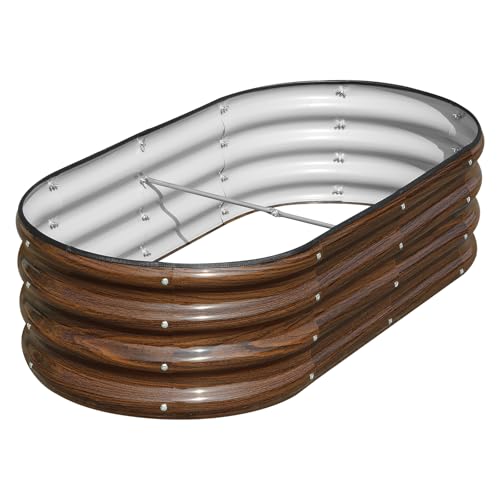
SnugNiture Galvanized Raised Garden Bed
This oval planter box offers a sturdy space for growing a variety of plants.
Product information
Product Review Score
4.85 out of 5 stars
(229 reviews)Product links
Building on Different Surfaces
Building a raised garden bed can be done on different surfaces, but each one presents its own challenges. Whether you're working with a concrete patio, gravel, or soil, knowing how to tackle these surfaces makes a big difference.
If you're using a concrete patio, a product like the SnugNiture Galvanized Raised Garden Bed could be a great fit. Make sure the bed has drainage holes to prevent water from pooling. You can also elevate the bed slightly by placing it on bricks or small blocks to improve drainage. Just remember to check the moisture levels often, since concrete can heat up and dry out plants faster than soil.
When dealing with gravel, it’s helpful to outline your bed with a border. You might use wooden planks or even stone edges. This helps define the area and keeps the gravel from mixing with your soil. Use a garden fork or a tool like the Garden Guru Patio Crack Weeder to break up the ground underneath for better root growth.
For soil surfaces, it’s straightforward, just dig out some earth and set your raised bed down. However, if you encounter tough ground, consider using a raised bed kit like the Gardeal Garden Raised Bed Kit, which can make the process easier. Make sure to put down a layer of cardboard or landscaping fabric at the bottom to help prevent weeds from growing up into your garden bed.
Remember to think about the height of your raised bed too. If you're putting it on a deck or patio, a shorter bed might be easier to manage. On the other hand, if you're on soil, the height can offer better protection from pests and easier access for planting or harvesting. Each surface has its quirks, but with the right setup, you can grow a flourishing garden no matter where you are!
Maintaining Your Raised Garden Bed
First off, regularly check the soil. It should be moist but not soggy. If it's too dry, consider investing in a good quality plant food that supports your plants' growth. A product like Dynamite Complete Plant Food Flower & Vegetable can give your plants the nutrients they need throughout their growth.

Dynamite Complete Plant Food Flower & Vegetable
This special formula feeds flowers, vegetables and citrus for vibrant growth.
Product information
Product Review Score
4.54 out of 5 stars
(59 reviews)Product links
Weeding is another important part of maintenance. You don’t want weeds competing with your veggies for nutrients and water. Using a garden weeder tool, like the Garden Guru Patio Crack Weeder Tool, makes it easy to remove those pesky weeds without disturbing your plants. Try to weed every week, especially after rainfall, when they tend to pop up.
Watering is essential as well. Depending on the plants, you may need to water them a couple of times a week. Consider setting up a soaker hose or drip irrigation system for an easy, even watering solution. It saves you time and makes sure your plants get the right amount of moisture.
Don’t forget to refresh the soil every season. Adding compost or a top layer of fresh soil can boost nutrients and enhance the structure. You might want to think about replacing old soil with a new raised bed kit, like the Gardeal Garden Raised Bed Kit, which can provide a fresh, nutrient-rich environment for planting.
Lastly, keep an eye out for pests. Depending on what you’re growing, different plants attract different pests. A simple check every time you water can help you catch problems before they get out of hand. Regular maintenance will lead to a flourishing garden that you can enjoy all year long.

