
Transform Your Raised Garden Bed in 2026: 10 Expert Tips for Custom Designs
Raised garden beds are no longer just functional—they’re an opportunity to create a stunning, efficient, and even tech-enhanced outdoor space. With the rise of smart gardening, modular bed systems, and AI-assisted irrigation, gardeners in 2026 have more options than ever to customize their beds.
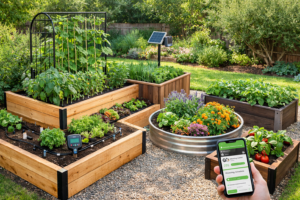
Whether you’re a beginner or a seasoned gardener, these 10 expert tips will help you design a raised garden bed that maximizes growth, reduces maintenance, and reflects your personal style.
1. Plan the Size, Shape, and Layout
Before building, carefully measure your garden space. A standard backyard might accommodate a 4×8 ft rectangular bed, while patios or balconies often work best with 3×3 ft square or L-shaped modular beds. Multi-tiered beds are trending in 2026, allowing deep-rooted plants in lower tiers and shallow plants on top.
Height is critical: beds 24–36 inches tall reduce bending strain, while lower beds suit sitting or kneeling gardeners. Consider ergonomics, your gardening habits, and plant accessibility when choosing dimensions.
For shapes, rectangles and squares maximize planting space, while circular or hexagonal beds create visual focal points. Modular beds let you expand later, offering flexibility as your garden grows.
“For more expert tips and design ideas, explore our full library of guides at https://www.bestraisedgardenbeds.com
2. Choose Durable, Eco-Friendly Materials
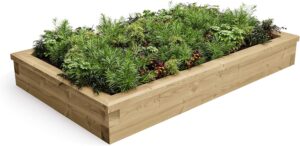
Material choice impacts longevity, maintenance, and aesthetics. Cedar and redwood are naturally rot-resistant and provide a classic look. Composite recycled materials are low-maintenance and eco-friendly. Metal beds are sturdy but can heat up in direct sun, benefiting early spring crops. Concrete beds last decades but require heavier tools to build.
Maintenance is key: seal wooden beds every 2–3 years; composites need occasional cleaning. Premium materials may cost more upfront but reduce long-term replacements and maintenance.
3. Optimize Vertical Gardening and Plant Supports
Vertical gardening maximizes space, allowing vining crops like cucumbers, beans, and flowering vines to thrive. Trellises, cages, and modular netting provide sturdy supports. Bamboo and recycled metal trellises are lightweight yet durable, and adjustable systems accommodate plant growth over time.
Position supports on the north side of the bed to avoid shading smaller plants. In 2026, AI sunlight mapping apps can help you identify the perfect placement for optimal growth and airflow.
4. Protect Your Garden with Barriers
Raised beds are more vulnerable to pests such as rabbits, squirrels, deer, and insects. Protective barriers like hardware cloth, chicken wire, or netting with removable panels can safeguard plants while maintaining airflow.
Ensure accessibility: hinged doors or removable sections allow easy watering, harvesting, and maintenance without compromising security. This is particularly useful for multi-tiered or modular beds.
5. Plan Irrigation and Drainage
Water management is crucial. Different plants have varying moisture requirements. Smart soil sensors monitor moisture levels in real time, allowing AI-assisted irrigation systems to provide precise watering schedules.
Drip irrigation, soaker hoses, or automated smart systems save water while delivering consistent moisture directly to roots. Proper drainage—through gravel layers or sand bases—prevents waterlogging and root rot, ensuring healthy plant growth.
6. Design for Mobility
Movable raised beds offer flexibility to follow sunlight patterns or rearrange garden layouts. Wheels or handles make relocation easy, but it’s important to maintain stability. Reinforced corners or sturdy modular panels help balance portability with structural strength.
7. Add Decorative Borders
Borders improve aesthetics and help contain soil. Popular options include bricks, stones, wood, or tiles. Choose materials that complement your garden theme: rustic wood, contemporary metal, or sleek concrete edging. Secure edges prevent soil spillage and maintain easy access for planting and maintenance.
8. Implement Companion Planting
Planting compatible species together boosts growth and productivity. For example, marigolds repel pests while improving pollination, and herbs like basil or dill enhance flavor and attract beneficial insects. Avoid antagonistic pairings that compete for nutrients or release growth-inhibiting chemicals.
9. Personalize with Artistic Elements
Add sculptures, mosaics, decorative ornaments, or solar lighting to make your bed visually appealing. Personalized plant labels—hand-painted or AI-designed QR codes—provide information and style, helping create an interactive and beautiful garden space.
10. Combine Functionality and Style
Integrate seating areas, water features, or small pathways around your raised bed for both usability and beauty. Combining smart irrigation, proper plant spacing, vertical supports, and artistic touches ensures your garden is productive, low-maintenance, and a visual centerpiece.
Conclusion
Customizing a raised garden bed in 2026 blends aesthetics, functionality, and modern technology. By planning size and layout, selecting durable materials, optimizing vertical supports, adding barriers, smart irrigation, decorative borders, companion planting, and artistic personalization, you can create a garden that’s both productive and visually stunning. With these tips, your raised garden bed can be a thriving oasis reflecting the latest trends in eco-friendly and smart gardening.
For more inspiration, check out our raised garden bed ideas and smart gardening tools.