
Why Your Raised Bed Plants Are Failing (And How to Fix It)
If you’ve built a raised garden bed expecting lush growth and a thriving harvest, it can be incredibly frustrating when things don’t go to plan. Weak plants, slow growth, yellowing leaves, and disappointing yields are all common problems—especially for beginners.
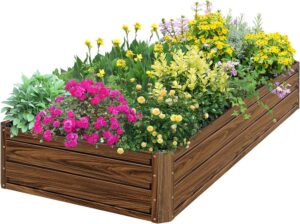
The truth is, raised beds don’t automatically guarantee success. In fact, because you control every element—from soil to spacing—small mistakes can have a much bigger impact than they would in traditional ground gardening.
The good news? Once you understand what’s going wrong, the fixes are simple—and the results can be dramatic.
Let’s break down the five biggest mistakes that cause raised bed gardens to fail, and exactly how to fix them.
🌱 Mistake #1: Using the Wrong Soil
[IMAGE: Close-up of dry, poor soil vs rich, dark compost soil]
This is by far the most common reason raised beds underperform.
Unlike traditional gardens, raised beds rely entirely on the soil you put into them. There’s no natural ecosystem beneath the surface to balance nutrients or improve structure over time. If you fill your bed with poor-quality soil, everything that grows in it will struggle.
Cheap compost or heavy garden soil often becomes compacted, which restricts airflow and prevents roots from spreading properly. When roots can’t breathe or access nutrients efficiently, plants become weak, discoloured, and slow to grow.
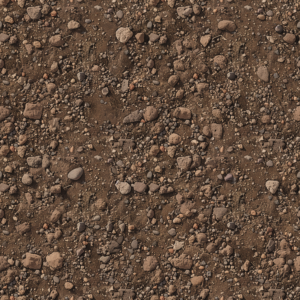
✅ How to fix it properly:
The key is creating a soil mix that balances nutrients, structure, and drainage.
A proven mix is:
- 40% compost (for nutrients)
- 40% topsoil (for stability)
- 20% aeration material like perlite or vermiculite
This combination allows water to drain properly while still holding enough moisture for plant roots to thrive.
If you want to simplify things, pre-mixed raised bed soil blends are a great option. They’re designed specifically for this purpose and can give you more consistent results—especially in your first season.
👉 Use our soil calculator to get the perfect mix:
https://bestraisedgardenbeds.com/soil-calculator/
Healthy raised garden bed with text overlay “Why Your Raised Bed Plants Are Failing”]
If you’ve spent time, money, and effort building your raised garden bed only to end up with weak plants, poor growth, or disappointing harvests—you’re not alone.
Many beginners assume raised beds guarantee success. The truth is, small mistakes can completely hold your garden back. The good news? Once you fix them, your results can improve almost overnight.
Let’s break down exactly what’s going wrong—and how to turn it around.
☀️ Mistake #2: Not Enough Sunlight
[IMAGE: Raised garden bed in full sunlight vs shaded garden area]
Sunlight is one of the most overlooked factors in raised bed gardening, yet it plays a critical role in plant health and productivity.
Most vegetables require at least 6 to 8 hours of direct sunlight each day. Without enough light, plants can’t photosynthesise effectively, which means they don’t produce the energy needed for strong growth.
The result? Tall, weak stems, pale leaves, and very little fruit or vegetable production.
This issue is especially common in smaller gardens, urban spaces, or areas surrounded by fences and buildings.
✅ How to fix it properly:
Take time to observe your garden throughout the day and identify the sunniest spot available. Even a difference of a few hours of sunlight can dramatically improve plant performance.
If your space is limited:
- Position beds away from walls or fences where possible
- Use reflective surfaces to increase light exposure
- Choose crops that tolerate partial shade (like leafy greens)
Getting this right can instantly improve your results without spending any money.
💧 Mistake #3: Overwatering (or Underwatering)
[IMAGE: Watering plants or checking soil moisture with a meter]
Watering might seem straightforward, but it’s one of the most common ways gardeners accidentally damage their plants.
Too much water can suffocate roots, leading to rot and fungal problems. On the other hand, too little water causes stress, stunted growth, and reduced yields.
Raised beds actually dry out faster than ground soil, which makes finding the right balance even more important
.
✅ How to fix it properly:
Instead of watering on a schedule, focus on what your soil actually needs.
- Check moisture levels by placing your finger a few inches into the soil
- Water deeply so roots grow downward
- Avoid frequent shallow watering
A simple moisture meter can make this process much easier and remove the guesswork, especially for beginners.
For even better consistency, consider a basic drip irrigation system. It delivers water slowly and evenly, helping maintain ideal moisture levels without overwatering.
📏 Mistake #4: Overcrowding Your Plants
[IMAGE: Overcrowded plants vs properly spaced plants comparison]
It’s easy to assume that planting more means harvesting more—but in raised beds, the opposite is often true.
When plants are placed too close together, they compete for nutrients, water, and sunlight. Airflow is also reduced, which increases the risk of disease and pests.
Instead of thriving, everything struggles.
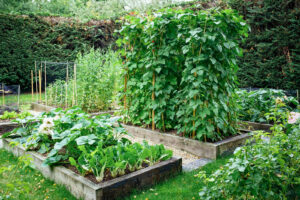
✅ How to fix it properly:
Follow recommended spacing guidelines for each plant, even if it feels like you’re leaving too much empty space.
Well-spaced plants:
- Grow stronger
- Produce more fruit
- Are easier to maintain
If you want to maximise your harvest, focus on quality over quantity. A few healthy plants will always outperform a crowded bed.
🌿 Mistake #5: Choosing the Wrong Plants
[IMAGE: Beginner-friendly plants like lettuce, herbs, and tomatoes]
Not all plants are suited to every environment, and this is something many beginners learn the hard way.
Some crops require deep soil, constant sunlight, or specific temperatures. If your raised bed doesn’t provide those conditions, the plants simply won’t thrive.
✅ How to fix it properly:
Start with reliable, beginner-friendly crops that perform well in most raised bed setups.
Great options include:
- Lettuce
- Radishes
- Herbs
- Tomatoes (in deeper beds)
These plants grow quickly, require less maintenance, and are far more forgiving if conditions aren’t perfect.
As you gain experience, you can start experimenting with more demanding crops.
🛠️ Tools & Products That Make a Big Difference
[IMAGE: Raised bed kit or gardening tools neatly arranged]
While technique is important, the right tools can make raised bed gardening significantly easier and more successful.
A few simple upgrades can dramatically improve your results:
- High-quality raised bed soil mix
- Organic compost boosters
- Soil moisture meter
- Raised bed kits for better structure
These aren’t just conveniences—they help eliminate common mistakes and create a more stable growing environment.
👉 Check latest prices on Amazon
🚀 The Bottom Line
Raised bed gardening isn’t complicated—but it does require getting the basics right.
Most failures come down to just a few key issues:
- Poor soil
- Lack of sunlight
- Incorrect watering
- Overcrowding
- Choosing unsuitable plants
Fix these, and you’ll see a noticeable difference in both plant health and harvest size.
🌿 Want Better Results Faster?
If you want to remove the guesswork and get your soil mix exactly right, use our free tool:
It’s one of the easiest ways to instantly improve your raised bed results.